
 Software and Patient Health Solutions
 15-Jul-2026
Telehealth has moved from a pandemic-era workaround to a permanent pillar of modern healthcare delivery. In 2024, 54% of Americans used telehealth, and 89% reported being satisfied with their experience, often preferring it to in-person care because of its convenience (source: 2024 telehealth survey).
For healthcare leaders, that shift creates both opportunity and complexity. Regulations, reimbursement rules, and technology requirements change every year, and choosing the best telehealth services or the best telemedicine providers to partner with requires more than a quick vendor comparison. It requires understanding the full regulatory and operational landscape behind a successful program.
This guide breaks down the six critical components every healthcare organization should evaluate when building, expanding, or outsourcing a telehealth program in 2026.
Federal and state laws generally require providers to be licensed both in the state where they are physically located (the distant site) and the state where the patient is located (the originating site). A provider based in Washington seeing a patient in Florida, for example, must hold licenses in both states.
Fortunately, most states now offer cross-state licensing pathways or telehealth-specific exceptions that make this process easier. When supported by experienced revenue cycle management services, providers can simplify credentialing, optimize telehealth billing, reduce claim denials, and ensure compliance across state lines.
The Interstate Medical Licensure Compact (IMLC) streamlines multi-state licensure for physicians, cutting down on duplicate paperwork and processing time. Organizations expanding telehealth across state lines should track participating states closely, since the list continues to grow.
Credentialing by Proxy Rather than repeating a full in-house credentialing process for every remote provider, many facilities use credentialing by proxy, which allows a hospital to rely on the credentialing already completed by a distant telehealth site. This is especially valuable for rural and critical access hospitals working to scale telehealth without adding administrative burden.
Controlled Substance Prescribing Rules The DEA finalized new telemedicine rules that made some pandemic-era flexibilities permanent. As of March 21, 2025, DEA-registered providers can prescribe certain Schedule III-V addiction treatment medications via telemedicine without a prior in-person visit, provided they check the state prescription drug monitoring program first (source: DEA telemedicine rules, 2025). Broader flexibility for Schedule II-V prescribing without an in-person evaluation remains temporary while the DEA finalizes a permanent Special Registration framework, so this is an area to monitor closely throughout 2026.
Reimbursement is the single most common concern for organizations evaluating the best telehealth company to partner with, and rates vary significantly depending on payer type.
There are two forms of parity to understand:
As of May 2026, 44 states, the District of Columbia, Puerto Rico, and the Virgin Islands have private payer laws addressing telehealth reimbursement (source: Center for Connected Health Policy, May 2026). Because these laws vary widely and change frequently, organizations should confirm current state-by-state rules before finalizing budgets or vendor contracts, and this is exactly the kind of detail the best telemedicine providers should be able to walk you through with confidence.
Telehealth billing splits into three main tracks, each with its own rules.
Medicare CMS' most recent fee schedule update took effect January 1, 2026 (source: CMS), and Medicare now covers virtual visits from a broad range of provider types, not just physicians. Several pandemic-era provisions specific to behavioral and mental health telehealth remain in effect through December 31, 2027, including permanent removal of geographic restrictions and permanent coverage for audio-only behavioral health visits.
Medicaid telehealth coverage varies by state, and many states have continued to broaden coverage since the public health emergency ended. Healthcare organizations should regularly monitor these updates to support compliant medical billing, optimize reimbursement, and minimize revenue leakage. The Center for Connected Health Policy publishes an updated executive summary of state telehealth and Medicaid policy that is worth reviewing regularly.
Private Insurance As with parity laws, 44 states plus DC, Puerto Rico, and the Virgin Islands require private insurers to reimburse for telemedicine services, though the specific process differs by insurer.
Technology choice can make or break a telehealth program. Many organizations rely on the telehealth functionality built into their existing EHR system, such as Athena, Epic, Oracle, or Veradigm. Others layer in standalone platforms like Zoom for Healthcare, Doxy.me, Webex for Healthcare, Spruce Health Care Messenger, GoTo Meeting, or Amazon Chime.
Every telehealth platform must be HIPAA compliant, and before selecting a vendor, healthcare leaders should ask:
Organizations that treat technology selection as a checklist exercise rather than a strategic decision often end up with tools that satisfy compliance but frustrate both patients and providers, which undermines the very convenience that makes telehealth appealing in the first place.
As telehealth volume grows, so does scrutiny around how patient data is collected, stored, and transmitted. Every program needs a documented, state-compliant telehealth consent process, clear disclosure of how virtual visit data is protected, and a plan for responding to potential breaches involving video, audio, or messaging platforms.
Because consent requirements and privacy rules differ by state and by payer, this component works hand in hand with technology selection. A platform can be HIPAA compliant on paper and still expose an organization to risk if consent workflows are inconsistent or poorly documented. Building privacy and consent review into every new telehealth rollout, not just the initial launch, helps organizations stay ahead of both regulatory audits and patient trust concerns.
Staffing flexibility has become a defining factor in telehealth success. A 2025 survey found that 47% of physicians were either very interested or highly interested in telehealth locum tenens work, while only 17% said they were not interested at all (source: 2025 CHG Healthcare survey).
Locum tenens providers delivering care via telehealth still need to be fully licensed and credentialed, both in their state of residence and in the patient's state. Some staffing agencies provide malpractice coverage for telehealth locum providers, contingent on the facility having adequate processes and technology in place, and many will assist with licensing and credentialing. Equipment, however, is typically the facility's responsibility.
For organizations trying to stand up or scale a telehealth program quickly, locum tenens staffing offers a way to fill coverage gaps, especially nights, weekends, and holidays, without slowing down licensing or credentialing timelines.
Navigating licensing, reimbursement, and technology shouldn't slow down your telehealth growth. Partner with IntelliRCM to streamline billing, stay compliant, and deliver the best telehealth services your patients expect.
Navigating six moving parts, licensing, reimbursement, billing, technology, privacy, and staffing, is not something most healthcare organizations can manage well in isolation. This is where IntelliRCM comes in.
IntelliRCM works alongside healthcare organizations to strengthen the operational backbone of their telehealth programs, from streamlining reimbursement and billing workflows to supporting HIPAA-compliant technology integration and revenue cycle accuracy. Rather than treating telehealth as a bolt-on service, IntelliRCM helps organizations build a connected system where licensing, billing, and technology work together instead of creating friction.
For healthcare leaders comparing the best telehealth company options for their organization, the difference often comes down to execution: how well billing, compliance, and technology are actually coordinated behind the scenes. That coordination is where IntelliRCM adds the most value, helping organizations move from a functional telehealth program to one that is efficient, compliant, and built to scale.

A patient statement in medical billing shows what you owe after insurance. Learn how it works and how IntelliRCM improves your collections today.
Read Full GuideTelehealth regulations will keep evolving, and the organizations that thrive will be the ones that treat compliance, reimbursement, technology, and staffing as interconnected pieces of the same strategy rather than separate projects.
Choosing the best telehealth services ultimately means evaluating a program across all six components covered here: licensing and credentialing, payment parity, billing accuracy, technology selection, patient privacy, and staffing flexibility. Organizations that get these fundamentals right are better positioned to deliver the convenient, high-quality virtual care that patients have come to expect, while staying ahead of a regulatory landscape that shows no signs of slowing down.

The CAQH Network plays a vital role in improving the efficiency and accuracy of provider enrollment and credentialing. By leveraging the capabilities of the CAQH Network and integrating it effectively into their RCM processes, healthcare providers can streamline operations, reduce administrative burden, and improve access to care. As the healthcare industry continues to evolve, the CAQH Network will remain an essential tool for navigating the complexities of provider enrollment and credentialing.
Read More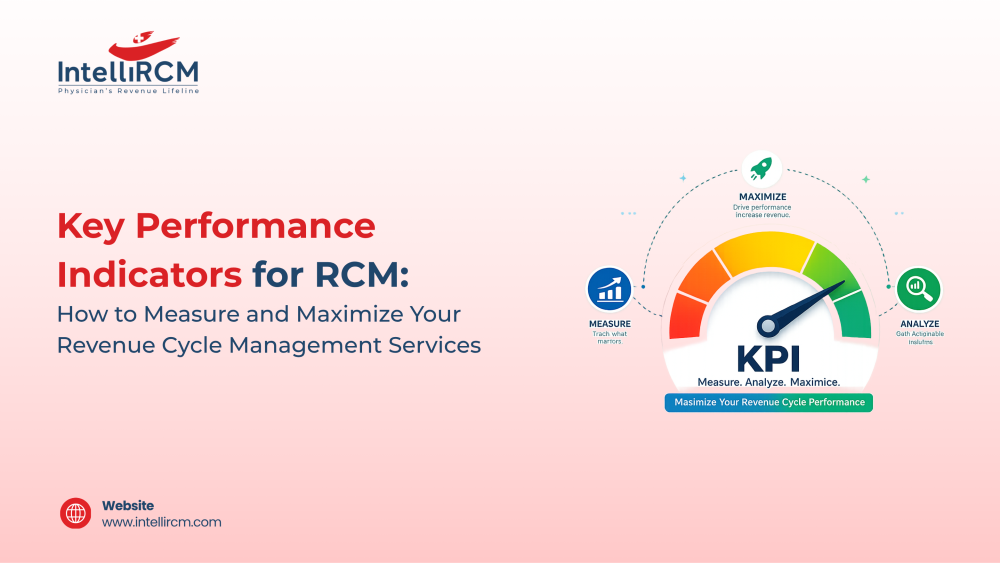
Track key RCM KPIs like denial rate, AR days, and collections to improve cash flow. Learn how expert RCM services boost revenue performance—get started today.
Read More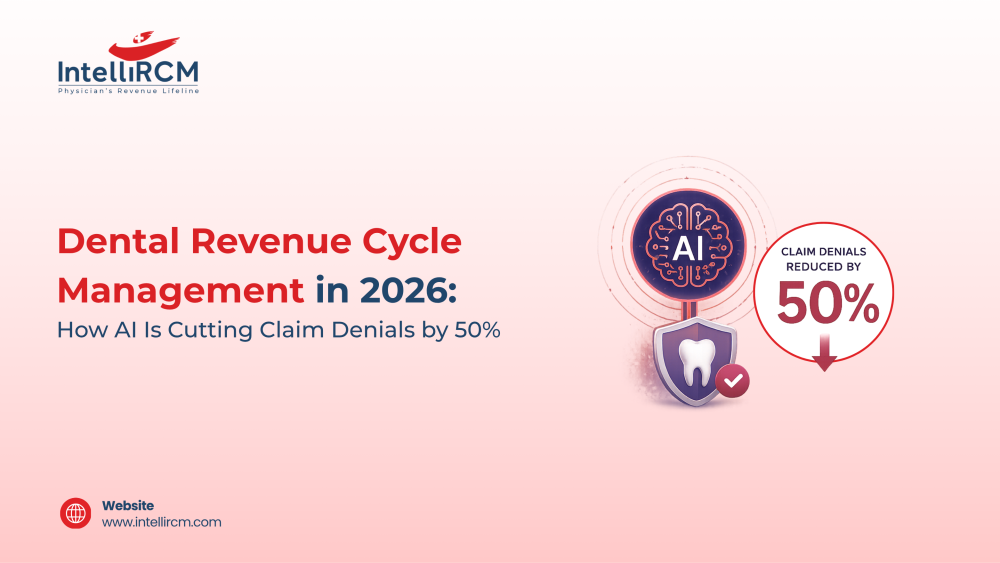
AI-driven dental billing is cutting claim denials by up to 50% in 2026. Learn how smart dental revenue cycle management, expert billing specialists, and outsourcing can maximize your revenue.
Read More